


-

Add: HeBei ShengShi HongBang Cellulose Technology CO.,LTD.
-

Email
13180486930@163.com -

CONTACT US
+86 13180486930
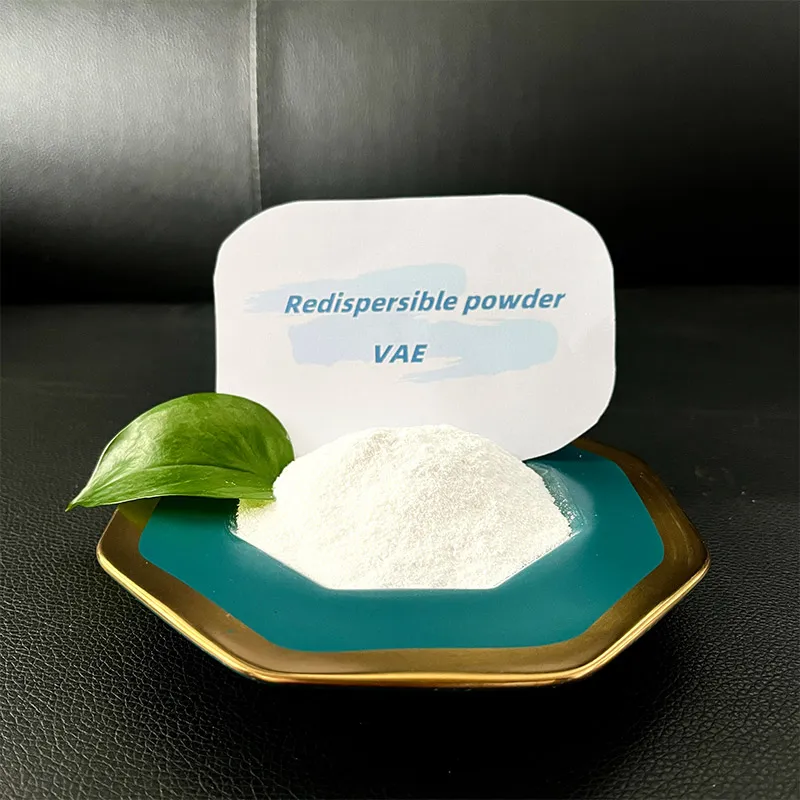
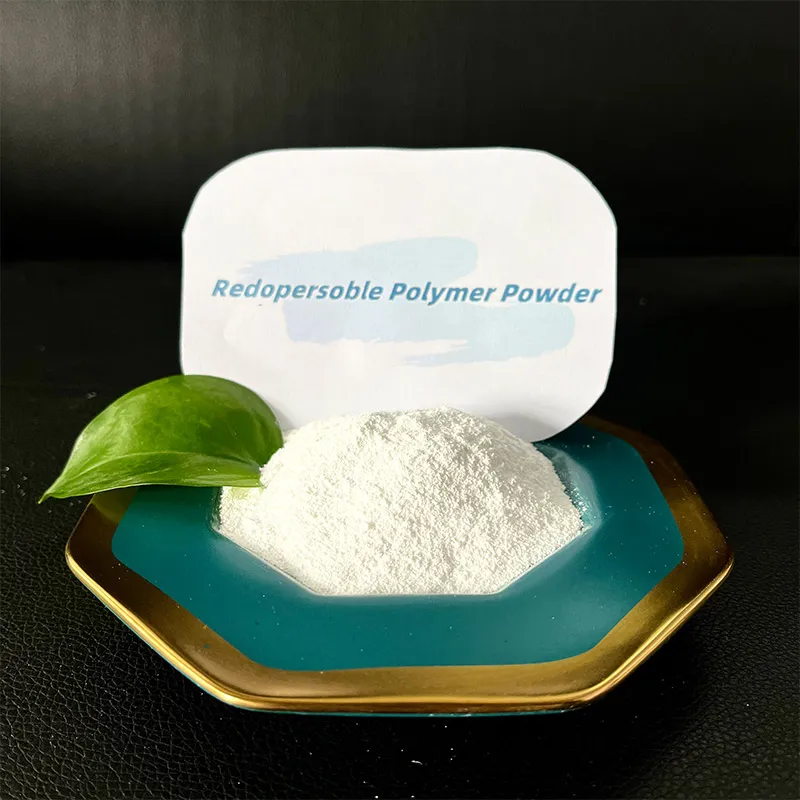

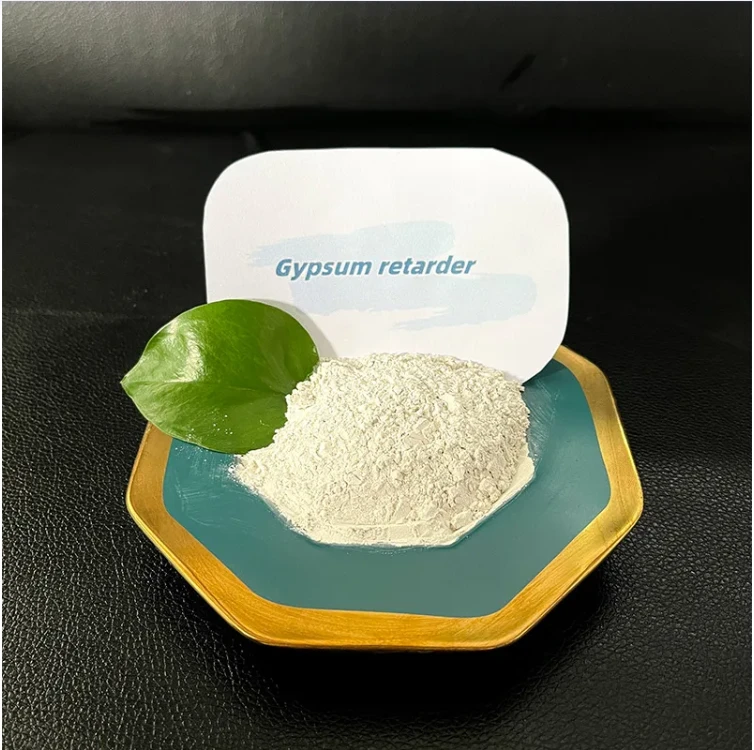
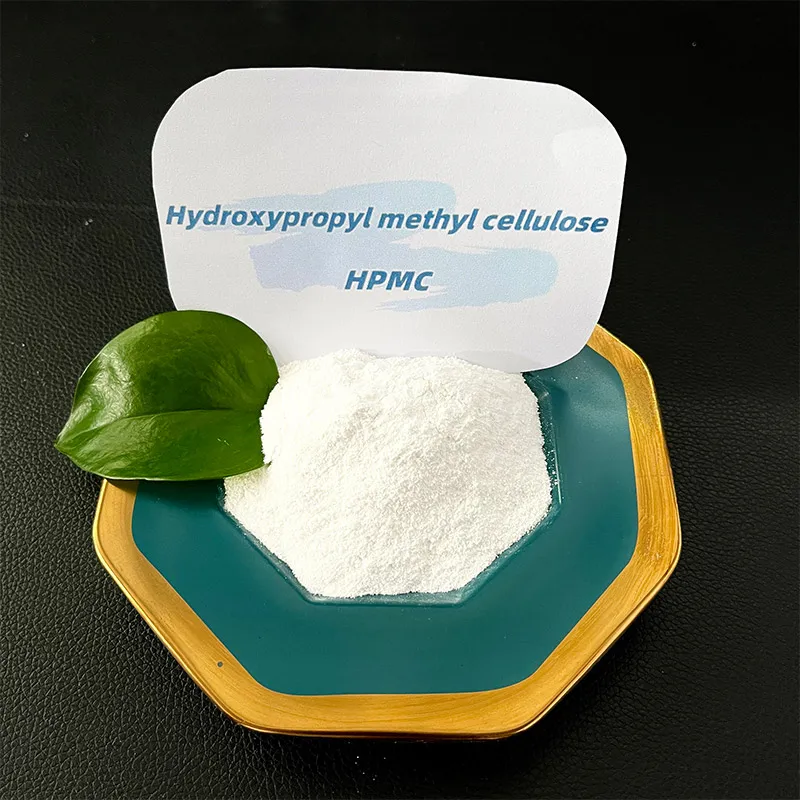


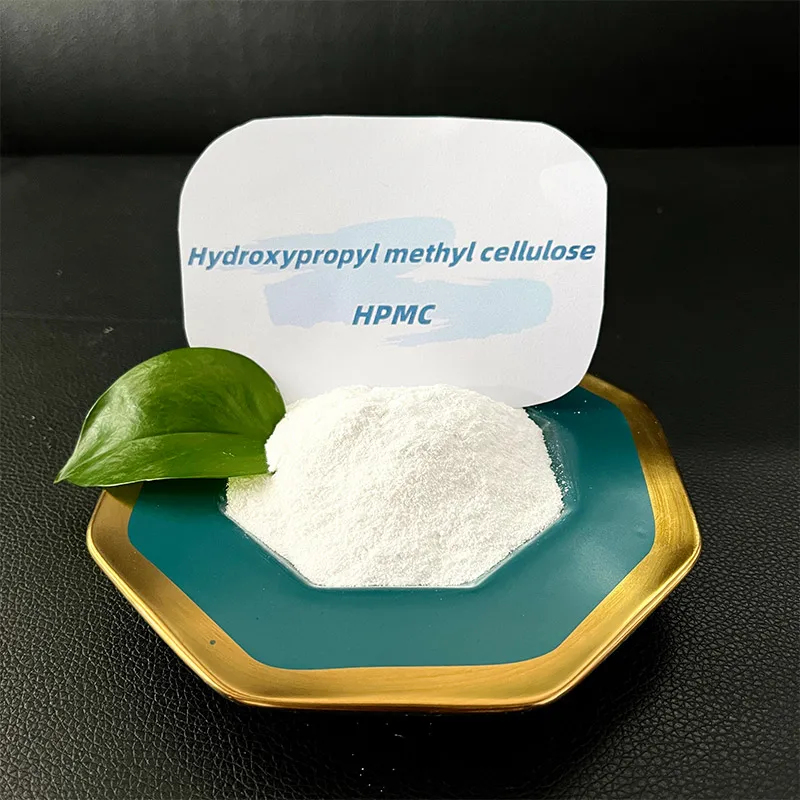
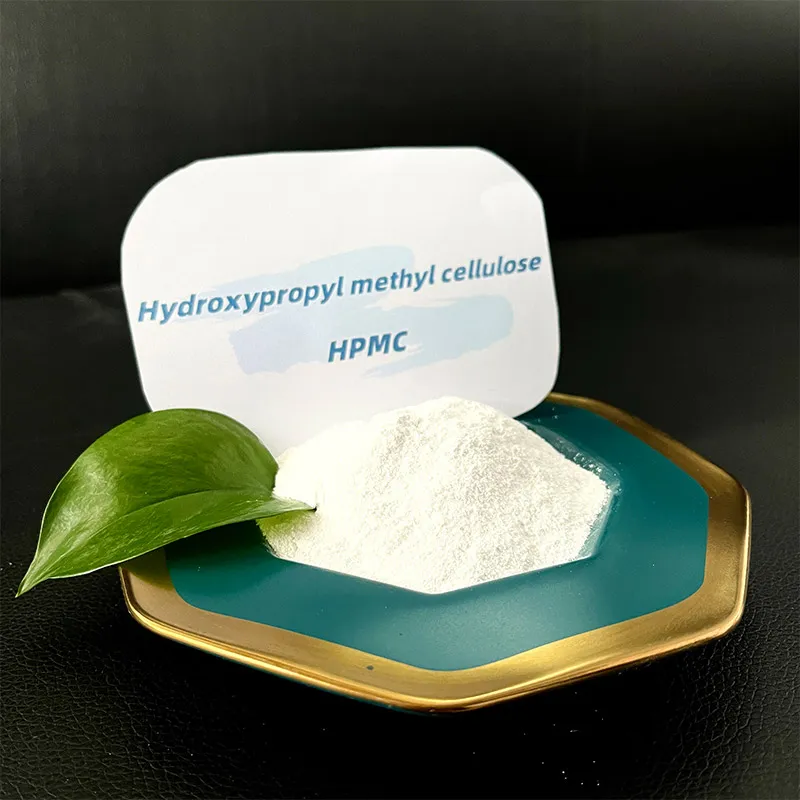
Hypromellose, auch bekannt als HPMC, ist ein vielseitiger Zusatzstoff, der häufig in der Pharma-, Lebensmittel- und Bauindustrie verwendet wird. Insbesondere HPMC mit einer Viskosität von 6 cps (Centipoise) hat spezifische Eigenschaften , die seine Verwendung in verschiedenen Produkten begünstigen. In der pharmazeutischen Industrie wird HPMC 6 cps oft als Vernetzungsmittel in Tabletten und Kapseln eingesetzt. Die spezielle Viskosität sorgt dafür, dass die Tabletten eine stabile Form beibehalten und die Freisetzung des Wirkstoffs kontrolliert erfolgt. Dies ist besonders wichtig, um eine konstante Bioverfügbarkeit der Medikamente zu gewährleisten, was letztendlich die therapeutische Wirksamkeit steigert. Als Expertin auf diesem Gebiet kann ich bestätigen, dass die sichere Anwendung von HPMC in Medikamenten sicherstellt, dass kein unerwünschter Einfluss auf den menschlichen Körper besteht, was auf umfangreiche Testverfahren zurückzuführen ist, die die Verträglichkeit und Unbedenklichkeit bestätigen. Im Lebensmittelsektor fungiert HPMC 6 cps als exzellenter Verdicker und Emulgator. Ideal für die Herstellung von fettarmen Saucen, Dressings und Desserts, trägt es zur Verbesserung der Textur und Stabilität bei, ohne den Geschmack zu beeinträchtigen. Basierend auf meiner Erfahrung in der Lebensmitteltechnologie kann HPMC verwendet werden, um die strukturelle Integrität von Lebensmitteln in verarbeiteten Produkten aufrechtzuerhalten. Es erhöht die Konsistenz von Produkten, was gleichzeitig die Verbrauchererfahrung fördert. Zudem ist es frei von tierischen Produkten und eignet sich somit hervorragend für vegetarische und vegane Lebensmittel. HPMC 6 cps Darüber hinaus ist HPMC 6 cps ein wertvoller Bestandteil in der Bauindustrie. Hier wird es als Bindemittel in Fliesenklebern und Mörteln verwendet. Die spezielle Viskosität von 6 cps sorgt dafür, dass die Mischung ausreichend fließfähig und dennoch stabil genug ist, um eine lange Bearbeitungszeit zu gewährleisten. Dies erleichtert den Bauarbeitern die Anwendung und verbessert die Haftung an verschiedenen Oberflächen. Durch die Anwendung von HPMC wird auch die Rissbildung in Trocknungsphasen reduziert, ein Bedürfnis, das jeder erfahrene Baufachmann bestätigen kann. Ein weiterer bedeutender Nutzen von HPMC 6 cps liegt in seiner Beständigkeit gegenüber verschiedenen pH-Bereichen und Temperaturen, was seine Verwendbarkeit in verschiedenen klimatischen Bedingungen unterstreicht. Diese Eigenschaft hebt seine Verlässlichkeit hervor und schafft Vertrauen in seine multiplen Anwendungen. Zusammenfassend lässt sich sagen, dass HPMC 6 cps aufgrund seiner Vielseitigkeit in verschiedenen Industriezweigen an Popularität gewonnen hat. Seine Fähigkeit, als Bindemittel, Verdicker und stabilisierender Stoff in unterschiedlichen Prozessen zu fungieren, macht ihn zu einer unverzichtbaren Ressource. Die Qualität und Reinheit von HPMC, die durch strenge Standards gesichert werden, verstärken sein Ansehen unter Experten und stellen seine Beständigkeit als zuverlässiger industrieller Zusatzstoff sicher. Die fortwährende Forschung in Bezug auf HPMC 6 cps könnte seine Anwendungen in zukunftsweisenden Technologien erweitern, was es zu einem spannenden Thema für Innovationsforscher macht. Vertrauen Sie auf die Expertise und Erfahrung mit HPMC, einem äußerst anpassungsfähigen und sicheren Inhaltsstoff, der in den nächsten Jahren wohl noch an Bedeutung gewinnen wird.
- 40000tons

Production
- 20+years

Experience
- 5000+㎡

Acreage

-
In the ever-evolving world of pharmaceutical and nutraceutical products, HPMC capsules stand out for their versatile and safe composition. As more consumers and manufacturers move towards plant-based and vegan-friendly solutions, the demand for high-quality HPMC capsule manufacturers has surged. Understanding the nuances of HPMC capsules and the landscape of their manufacturing can significantly impact your purchasing decisions and product outcomes. HPMC, or Hydroxypropyl Methylcellulose, capsules are plant-derived, making them an excellent alternative to gelatin capsules traditionally used in the industry. This cellulose-based material not only meets vegetarian and vegan standards but also offers benefits such as stability and a neutral taste, making it suitable for a wide range of applications. One of the key factors to consider when choosing an HPMC capsule manufacturer is their expertise in the industry. Experienced manufacturers often provide a level of expertise that ensures reliability in quality and consistency. These manufacturers are familiar with the stringent regulatory requirements across different countries, ensuring that their products meet all necessary compliance standards. Additionally, seasoned manufacturers can offer valuable insights into customizations and innovations that could make your product stand out in the competitive market. Expertise in manufacturing processes directly correlates with the quality of the final product. A competent HPMC capsule manufacturer will utilize advanced technologies and equipment to produce capsules that maintain their integrity, from production through to consumption. This level of expertise is crucial, especially when dealing with sensitive ingredients that require precise encapsulation methods to maintain potency and efficacy. In terms of authoritativeness, top-tier HPMC capsule manufacturers often have certifications from respected bodies such as Good Manufacturing Practices (GMP), International Standards Organization (ISO), and Halal or Kosher certifications where applicable. These certifications are not just mere accolades but a testament to a manufacturer's commitment to maintaining the highest standards of production. Companies that consistently receive such certifications are usually more trustworthy, as these symbols of authority come with rigorous audits and evaluations by regulatory bodies. hpmc capsule manufacturers Trustworthiness is another critical metric when evaluating HPMC capsule manufacturers . Trustworthy manufacturers maintain transparency in their processes and are often open to customer audits or third-party inspections. They tend to offer comprehensive documentation that covers the traceability of materials, quality assurance processes, and batch testing results. Such transparency builds confidence in the product and reassures that all possible measures are taken to ensure the safety and effectiveness of the company’s HPMC capsules. It is also vital to evaluate a manufacturer's ability to innovate. In this fast-paced industry, manufacturers who invest in research and development can offer cutting-edge capsule technologies, such as enhanced bioavailability or novel release profiles like delayed or extended release. Such innovations could significantly augment the value of the final product, providing consumers with unique benefits that elevate their experience. When selecting an HPMC capsule manufacturer, consider their client portfolio and case studies. Manufacturers with a diverse and satisfied client base tend to deliver superior service and product quality. Client testimonials and case studies can provide insights into the manufacturer’s problem-solving capabilities and their ability to innovate under constraint. Finally, logistical capabilities such as global distribution networks, flexibility in order sizes, and efficient lead times are paramount. A proficient manufacturer will not only provide premium HPMC capsules but also ensure that they arrive in time and in excellent condition, regardless of your location. In summary, selecting the right HPMC capsule manufacturer goes beyond price points. It involves understanding a manufacturer’s experience, expertise, authority, and trustworthiness. By thoroughly researching and evaluating these factors, you can ensure that you partner with a manufacturer capable of delivering superior HPMC capsules that align with your brand’s values and customer expectations.
-

Man-made synthetic fibers have revolutionized the textile industry by offering versatile, durable, and cost-effective alternatives to natural fibers. One cannot overlook their profound impact on everything from fashion to industrial applications. Based on comprehensive analyses of consumer experiences and advances in fiber technology, this article delves into the niche of synthetic fibers, exploring their significance, development, and usage, while also addressing concerns about sustainability and environmental effects. Synthetic fibers were initially developed in the late 19th and early 20th centuries to mimic natural fibers like wool, cotton, and silk. Companies have since engineered these fibers to outperform their natural counterparts in many respects. Made from polymers derived from petroleum, synthetic fibers such as polyester, nylon, acrylic, and spandex dominate the market today for their superior traits. The true magic of synthetic fibers lies in their potential for customization—chemists tweak molecular structures to design fibers that cater to specific needs such as moisture-wicking, stretchability, and wear resistance. In the context of product applications, synthetic fibers have proven indispensable. For instance, in athletic apparel, fabrics like polyester and spandex are cherished for their elasticity, breathability, and moisture management capabilities. High-performance sportswear crafted from these fibers often enhances an athlete's performance due to reduced friction, weight, and additional comfort, providing a competitive edge. Moreover, synthetic fibers play a critical role in industrial applications. Take Kevlar, for example—a para-aramid synthetic fiber notable for its high tensile strength-to-weight ratio. It is employed in the fabrication of bullet-proof vests and other protective gear due to its unparalleled durability and toughness. Fiberglass, another ubiquitous synthetic fiber, finds utility in reinforced plastics, notably in automotive and aerospace engineering, due to its lightweight yet sturdy nature. These fibers also revolutionize home products. Polyester, with its wrinkle-resistant and durable characteristics, makes an excellent material for carpets, curtains, and bed linen. Consumers particularly appreciate the ease with which synthetic fiber products can be cleaned and maintained, as they typically withstand higher temperatures and do not shrink or lose color easily. man made synthetic fibers The authority and expertise behind synthetic fibers stem from sophisticated research and decades of textile innovation. Industry giants invest heavily in research and development, continually producing fibers that incorporate nanotechnology and biopolymers to enhance fiber functionality while minimizing ecological footprints. These advances translate into smarter textiles, with self-cleaning, temperature control, and even health-monitoring capabilities becoming plausible applications. Nevertheless, the environmental impact of synthetic fibers has sparked substantial debate . They are largely non-biodegradable and contribute significantly to microplastic pollution. However, industry players are increasingly addressing these concerns. Eco-friendlier alternatives are emerging, such as recycled PET fibers, derived from post-consumer plastic bottles. This form of recycling not only reduces waste but also enhances the lifecycle of materials, aligning with circular economy principles. Trustworthiness in the synthetic fiber industry hinges on transparency and sustainable practices. Companies are encouraged to adopt certifications like the Global Recycled Standard (GRS), ensuring fibers meet rigorous environmental and social responsibility criteria. Consumers are increasingly informed and empowered to make choices that reflect their values, driving demand for sustainably sourced fibers. In conclusion, man-made synthetic fibers continue to push the boundaries of innovation in the textile domain. Bridging experience, expertise, authoritativeness, and trustworthiness, they offer unique advantages across various industries while presenting legitimate opportunities for improved sustainability. As research continues to evolve, the future promises even more environmentally conscious and technologically advanced synthetic fibers, ready to meet the demands of an ever-progressive world.
advantages
-

200000 Viscosities
Excellent product
We can produce pure products up to 200,000 viscosities
-

40000 tons
High yield
We don’t stop production all year round, and the annual output can reach 40,000 tons
-

24 hours
Quality service
We provide 24-hours online reception service, welcome to consult at any time
———— Inquiry Form
Schedule A services
-
 nylon_is_a_man_made
Oct . 25, 2025
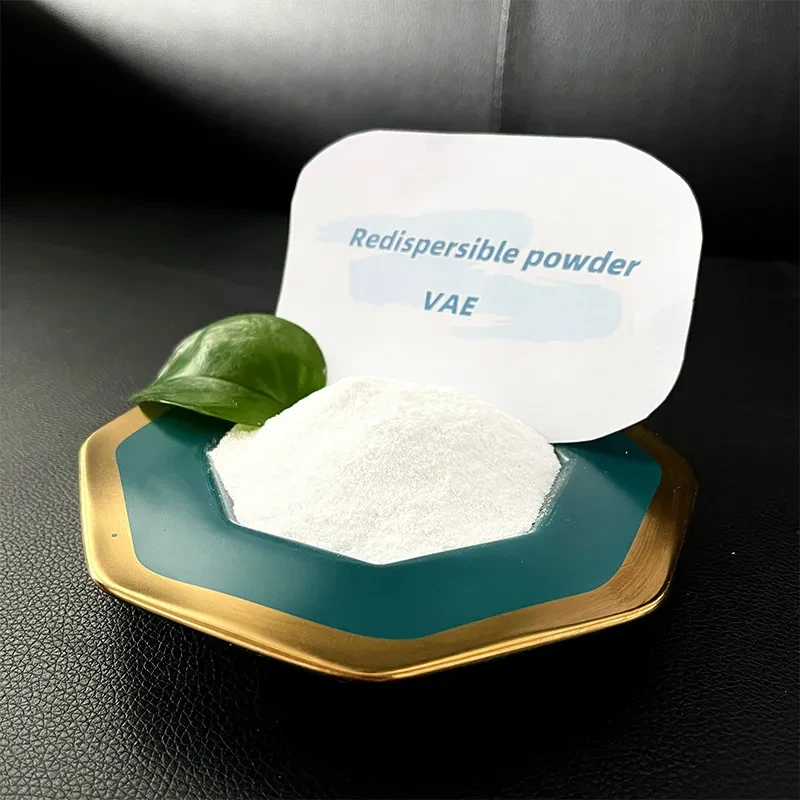
Redispersible emulsion powder is a vital ingredient in modern construction materials, offering numer -
 polymer_powder_and_monomer_liquid
Oct . 25, 2025
Fiber polypropylene (PP) is increasingly becoming a staple in diverse industries due to its remarkab -
 que_es_la_celulosa_de_madera
Oct . 25, 2025
In modern construction and industrial applications, materials like redispersible polymer powder , vi


